Tire knowledge
The tire is the only part of the vehicle that makes direct contact with the road.
That is why using and maintaining tires correctly, as well as being aware of their characteristics, is fundamental in order to guarantee safety in any situation, to increase your tires’ lifespan and to save money. Always remember to drive safely and respect the environment.
That is why using and maintaining tires correctly, as well as being aware of their characteristics, is fundamental in order to guarantee safety in any situation, to increase your tires’ lifespan and to save money. Always remember to drive safely and respect the environment.
Sidewall marking
On the tire sidewall there are several different inscriptions.
As well as the name of the brand and the range, the size and characteristics of the tires are marked: nominal width, ratio between nominal section height and nominal section width, structure or construction code, rim diameter and load and speed index.
As well as the name of the brand and the range, the size and characteristics of the tires are marked: nominal width, ratio between nominal section height and nominal section width, structure or construction code, rim diameter and load and speed index.
1/4 NOMINAL SECTION WIDTH

2/4 NOMINAL ASPECT RATIO (%)

3/4 STRUCTURE OR CONSTRUCTION CODE AND RIM DIAMETER (INCHES)

4/4 LOAD AND SPEED INDEX CODE

Tire pressure
Tire pressure has a significant influence on the safety and fuel economy of the vehicle.
Tire pressure when cold (never try to adjust the pressure while the tire is hot) must therefore be checked regularly (every month), especially before a long trip.
Braking distance is related to the tire pressure. At a driving speed of 60 mph, the stopping distance with correctly inflated tires is less than that of an underinflated tire. Performance is therefore improved by almost 6%.
Incorrect inflation pressure causes irregular tire wear. Pressure that is too low causes shoulder wear and carries the risk of structurally damaging the tire. Pressure that is too high causes wear to the center of the tire.
Tire pressure when cold (never try to adjust the pressure while the tire is hot) must therefore be checked regularly (every month), especially before a long trip.
Braking distance is related to the tire pressure. At a driving speed of 60 mph, the stopping distance with correctly inflated tires is less than that of an underinflated tire. Performance is therefore improved by almost 6%.
Incorrect inflation pressure causes irregular tire wear. Pressure that is too low causes shoulder wear and carries the risk of structurally damaging the tire. Pressure that is too high causes wear to the center of the tire.

Winter tires
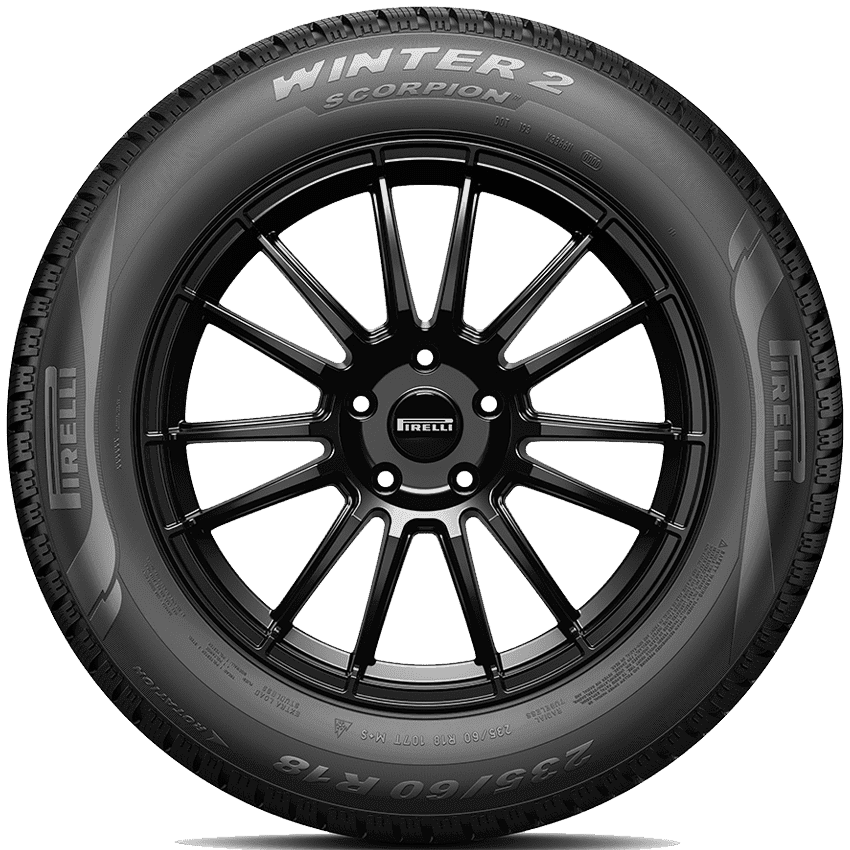

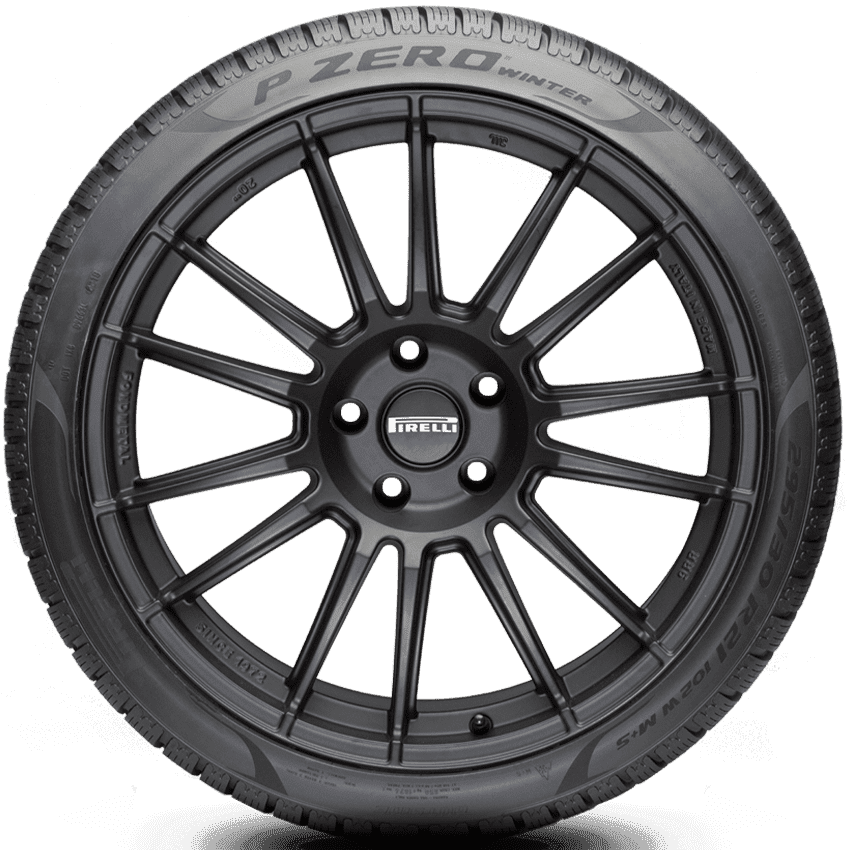
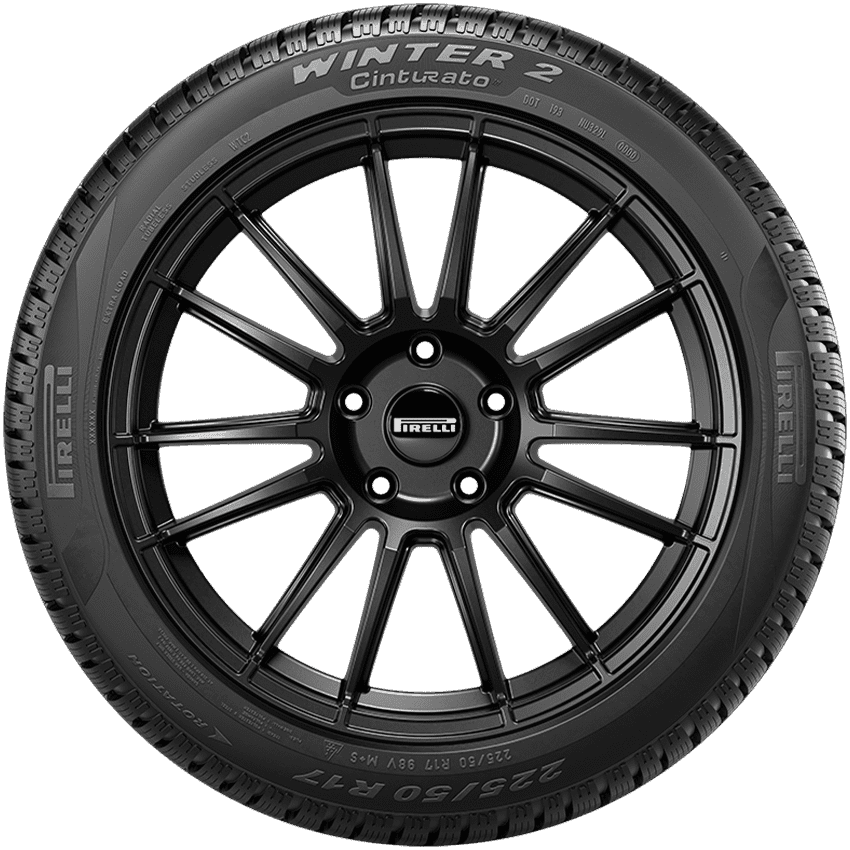
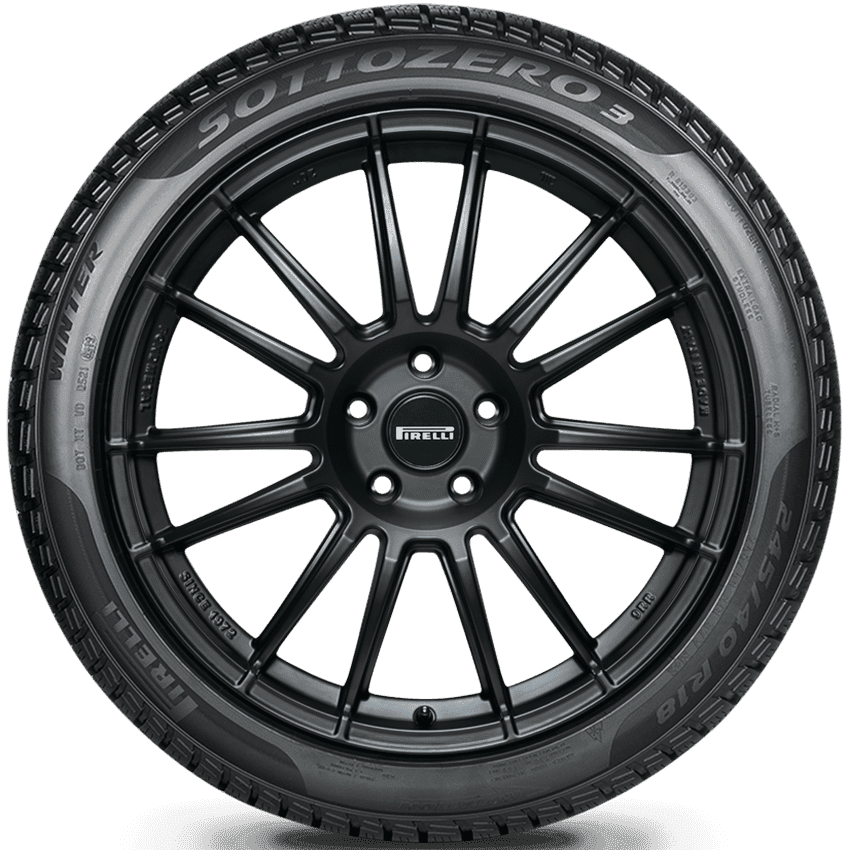
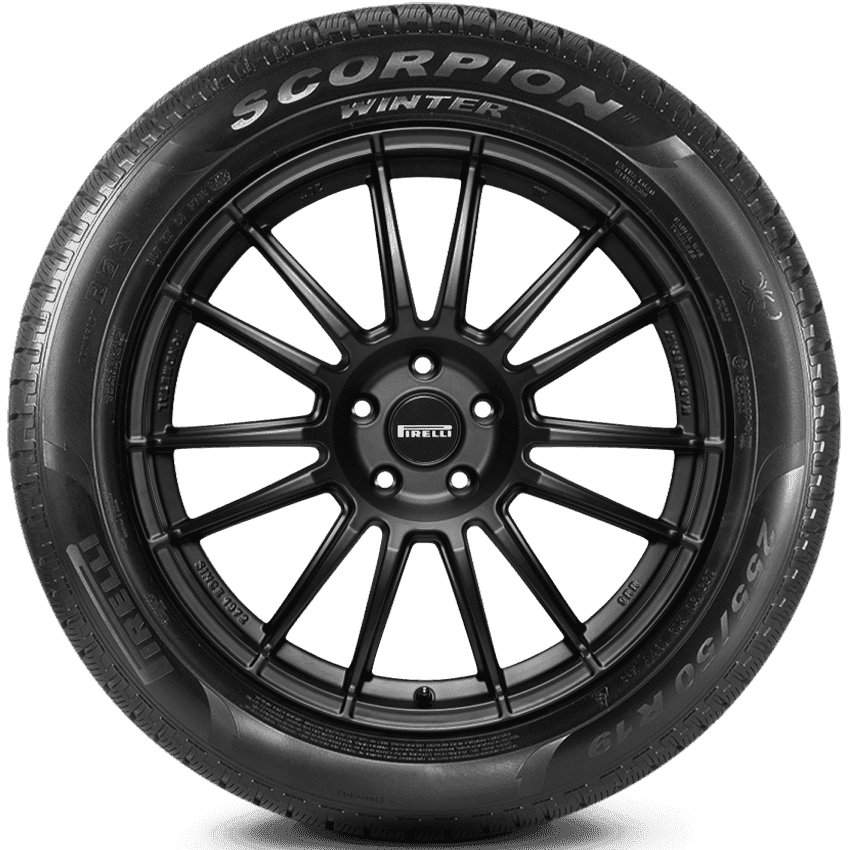
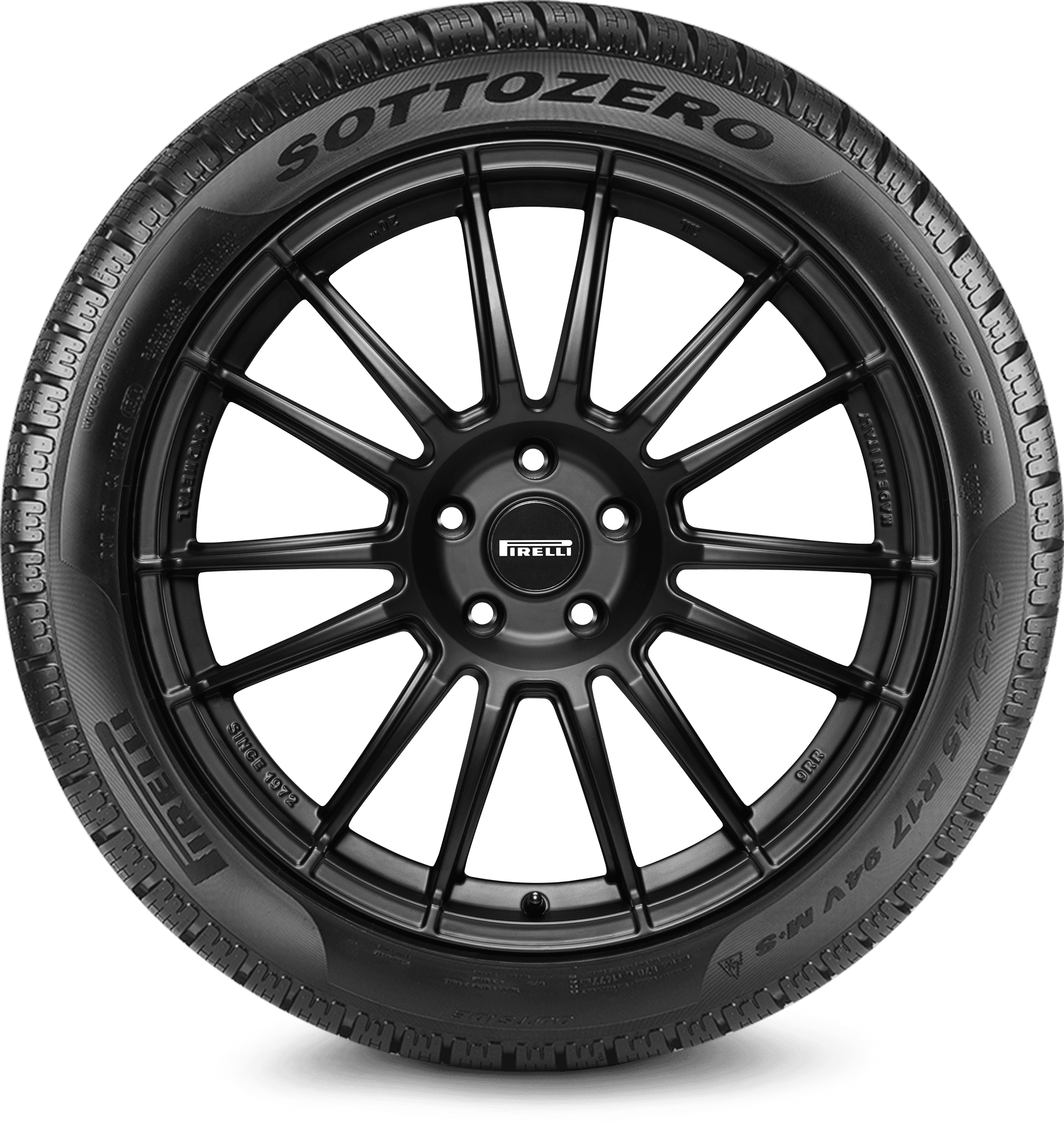


ICE ZERO™ ASIMMETRICO
3PMSF
Car
Suv
Touring
Urban
High ice performance and maximum level of comfort in all winter conditions

Tire integrity
A tire is made of rubber, steel and fibers. Steel and fibers are structural materials, the rubber has the function of protecting them against environmental influences. The rubber itself can be damaged by chemicals or other environmental influences:
- Sharp objects, strong impacts or other mistreatment can cause visible and invisible structural defects
- Tire pressure that is too low may also cause structural defects
- High temperatures and sunlight can destroy the rubber
Tire tread depth
The tread depth is a substantial safety factor. It has an important influence on the vehicle’s contact with the ground.
While braking, the Antilock Braking System is controlling the wheel at the slip threshold and water is collected. The tire tread void becomes filled, and the braking distance increases drastically.
Hydroplaning depends on water depth, tread depth and driving speed. In order to measure hydroplaning, a car is driven into a basin with 0.4” water and speeds up. As soon as the motor works harder without speeding up, hydroplaning starts.
While braking, the Antilock Braking System is controlling the wheel at the slip threshold and water is collected. The tire tread void becomes filled, and the braking distance increases drastically.
Hydroplaning depends on water depth, tread depth and driving speed. In order to measure hydroplaning, a car is driven into a basin with 0.4” water and speeds up. As soon as the motor works harder without speeding up, hydroplaning starts.
Tire seasonal change-over
The correct choice of seasonal change-over is fundamental for safe driving. Summer tires in summer, winter tires in winter. Braking distance, traction and stability all strongly depend on the adequate rubber compound.
Winter tires not only ensure grip on snow, they perform better than summer tires whenever the temperature drops below 45⁰ F. Pirelli recommends fitting winter tires to ensure mobility on every surface and in all cold weather conditions.
From 45⁰ F and under, summer tires have longer braking distances, and drastically less grip on snow.
Winter tires not only ensure grip on snow, they perform better than summer tires whenever the temperature drops below 45⁰ F. Pirelli recommends fitting winter tires to ensure mobility on every surface and in all cold weather conditions.
From 45⁰ F and under, summer tires have longer braking distances, and drastically less grip on snow.


