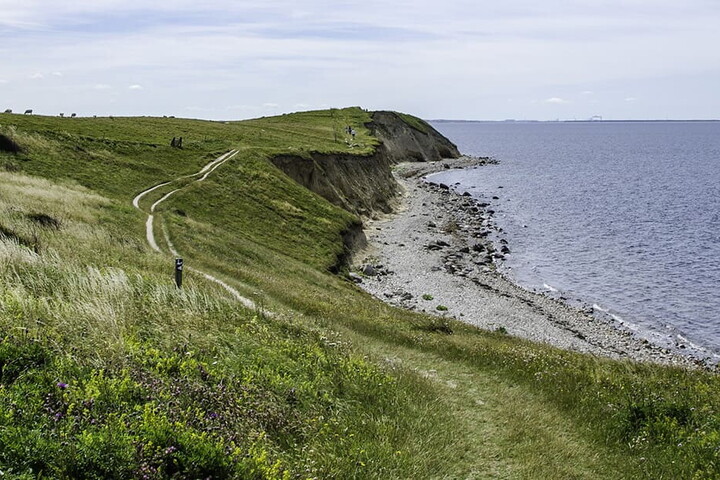
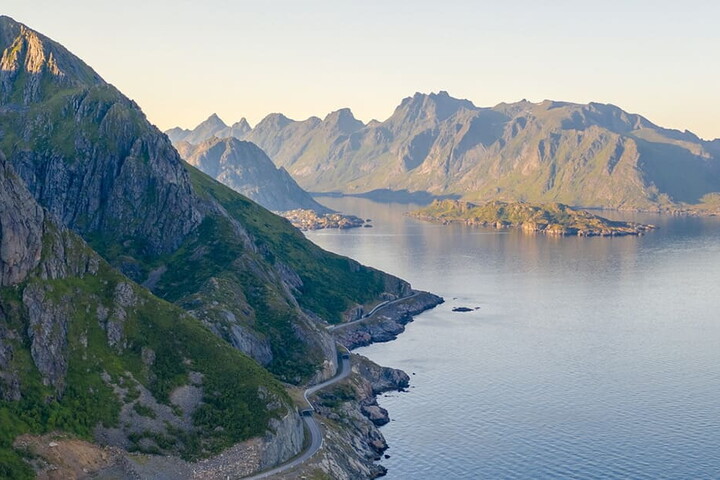
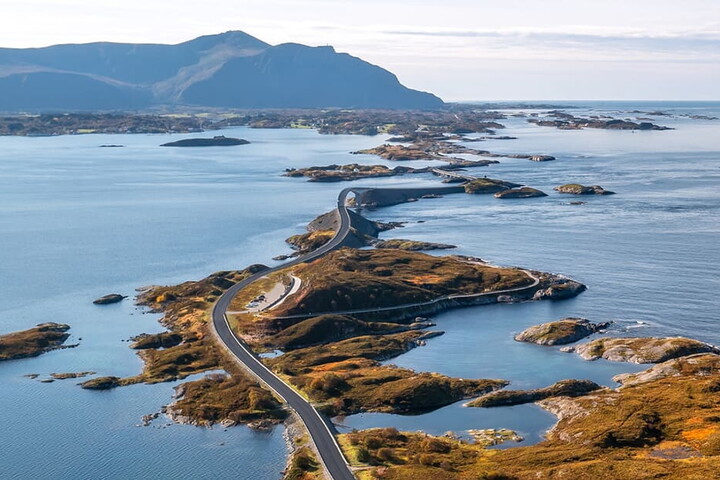
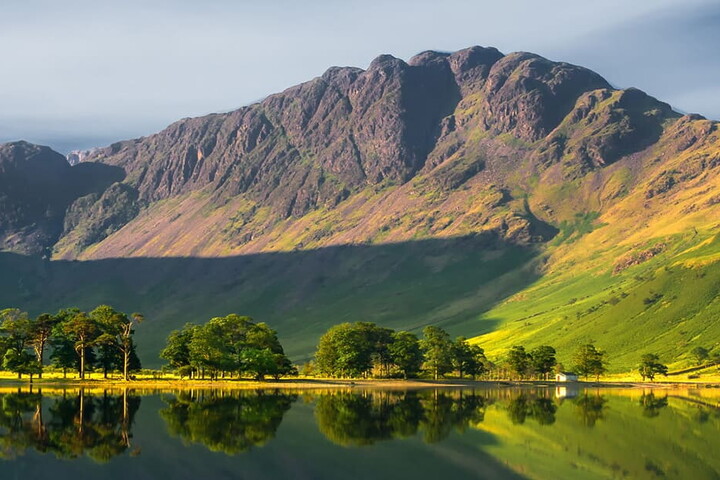
“The journey of a lifetime” is the phrase most frequently encountered when searching for information on the Wild Atlantic Way, the 2,500-kilometre coastal tourist route that spans the entire west coast of Ireland. Indeed, what one finds on the island while heading towards Malin Head from Kinsale is something rarely found elsewhere: cliffs, abbeys, Mediaeval fortresses, picturesque towns, national parks and lush landscapes that are impossible not to gaze upon for hours. The best way to truly discover this iconic route is to get behind the wheel, allowing Ireland to reveal itself in all its beauty, kilometre after kilometre.
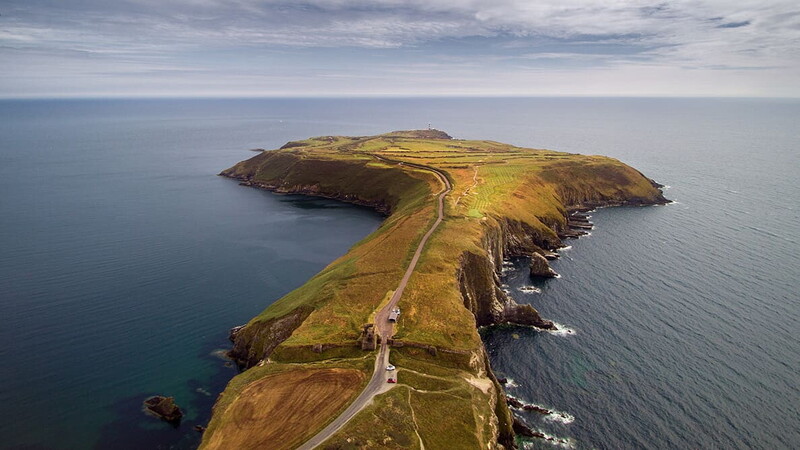
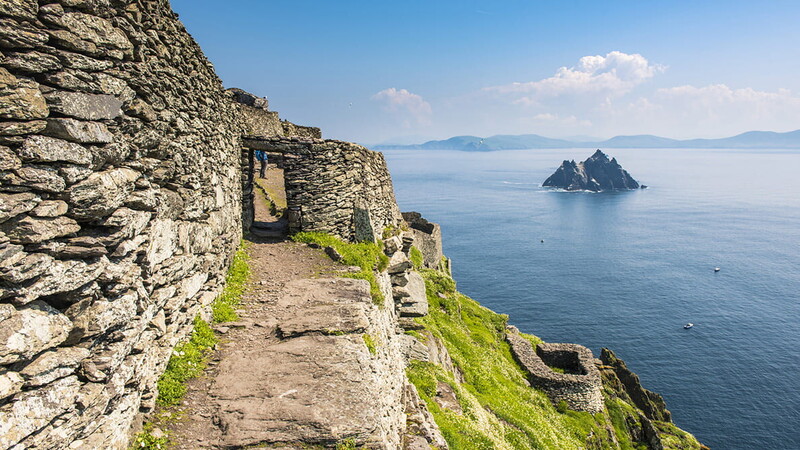
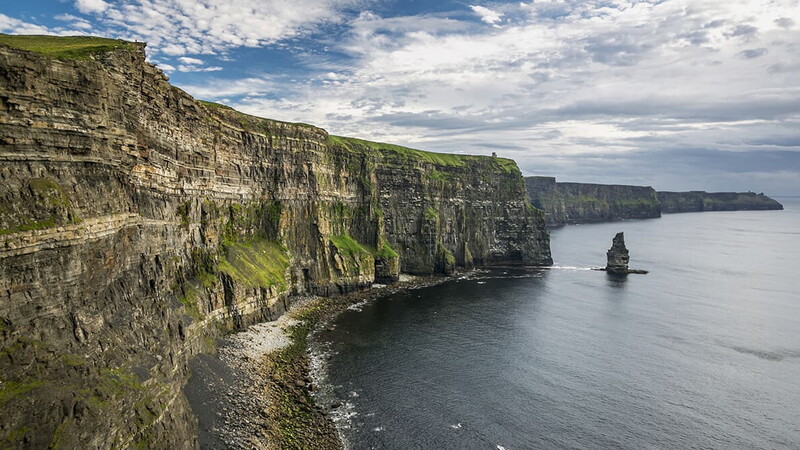
Although the Wild Atlantic Way can be travelled starting from either the South or the North of the island, those wishing to keep the ocean on their side of the road as a faithful travelling companion - ensuring easy access to lay-bys for a break or a photo - should start from County Cork. Beginning in Kinsale offers the chance to visit one of the most spectacular points on the route: the Old Head of Kinsale, a vast headland rising a hundred metres above the Atlantic with towering cliffs. Once under way, travellers are guided by distinctive bronze signs marking the “Discovery Points”. There are over 180 of these, highlighting landscapes of the greatest natural beauty for those at the wheel. Among these, 15 "Signature Discovery Points" stand out as the icons of the Wild Atlantic Way - the must-see stages for anyone deciding to drive this route. Continuing north and leaving behind the aforementioned Signature Point of Old Head of Kinsale, we find Skellig Michael, a UNESCO World Heritage island. Here, between the 6th and 7th Centuries, Christian monks built a monastery of beehive-shaped stone huts, defying isolation and Atlantic storms. It is a place of mysticism that, unsurprisingly, served as a location for blockbuster films such as Star Wars: The Force Awakens. Heading towards County Clare, one encounters the Cliffs of Moher - sandstone and shale giants rising up to 214 metres above the Atlantic, providing a backdrop to ancient legends such as that of the witch Mal. In these areas, Gaelic is still spoken, demonstrating Ireland's profound connection to its traditions and the deepest parts of its history.
In the same region, on the Kerry peninsulas, between Dingle, Iveragh, and Beara, one discovers the landscapes that have made Ireland famous worldwide: emerald-green meadows that blend into the deep blue of the ocean on the horizon. If time is limited, one can choose to drive specific sections of the Wild Atlantic Way. Right here in Kerry lies one of the roads most loved by motorists: the Ring of Kerry, a winding route of approximately 180 kilometres running from Killarney to Kenmare. Drivers can enjoy a road that demands expert vehicle and speed control, yet rewards them with endless ocean views, green countryside and white sandy bays. To the North, in the counties of Donegal and Sligo, the roads are less touristy. These routes not only traverse territories far less crowded than the South but also require skilled driving as the landscape becomes more rugged and wild. One might consider driving through the Northern Headlands region, starting from the imposing Slieve League cliffs which, at 601 metres high, are among the highest marine cliffs in Europe. After about 30 kilometres, you reach Silver Strand beach, a near-isolated spot renowned for its fine sand dunes. Along the way, you can stop at Glenveagh National Park to discover the richness of Irish flora and fauna, as well as its Mediaeval past at the impressive Glenveagh Castle.
The Wild Atlantic Way holds a record: its length has made it the longest defined coastal tourist route in the world. This is a characteristic that delights motorists, with its bends, climbs, descents, and unpaved, off-the-beaten-track roads, and fascinates travellers, as it reveals the true soul of Ireland, where nature shapes not only the landscape but also the spirit of its people. Every stage is a fusion of nature and culture: one need only step into one of the many pubs along the way to discover the hallmarks of Irish culture, from traditional music and conversation to local food. This is not a road travelled simply to reach a destination; it is driven for the sheer pleasure of discovery. It requires patience and respect (especially for the elements: Ireland is famous for experiencing four seasons in a single day) with the awareness that what might seem like a simple road trip will transform into an unforgettable journey.