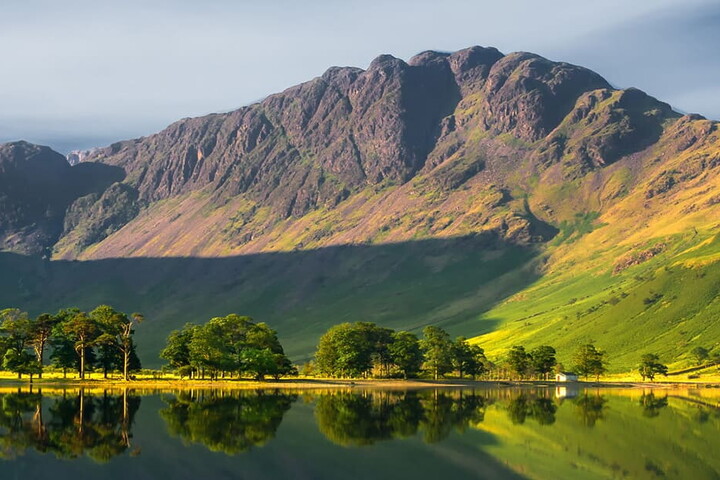
Nestled among the mountains - or rather fells, as the locals prefer to call them - of North-West England, lies a region that has over the centuries become a symbol of natural beauty and the muse for a prolific generation of poets: the Lake District. Spanning 2,362 square kilometres, it encompasses 16 lakes, including Windermere, the largest in England, and a National Park that became a UNESCO World Heritage site in 2017 thanks to its immense biodiversity. It is the ideal destination for nature lovers, outdoor sports enthusiasts, those seeking a relaxing break from the outside world and, above all, for those who love to drive. The Lake District is a motorist's dream, where one can't wait to get behind the wheel and tackle bends, slopes and unpaved roads, accompanied by almost untouched landscapes.
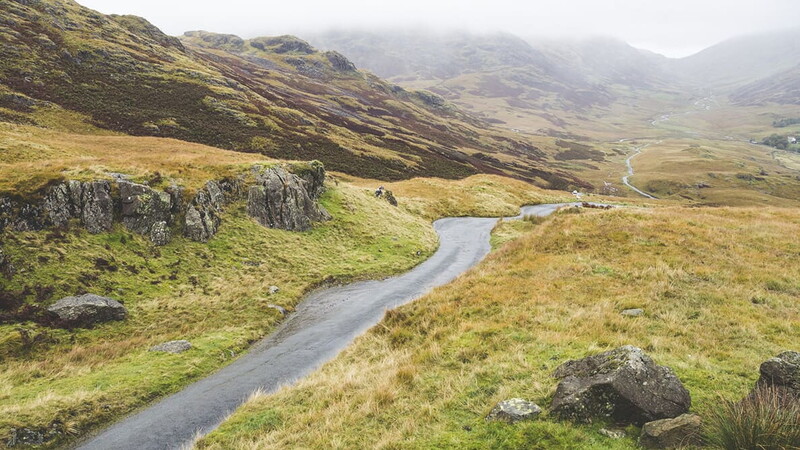
While gazing at the brilliant green hills, getting lost on trails to reach one of the many lakes, or enjoying the slow pace of the villages invites calm and contemplation, its roads - referred to as passes - call for action and adrenaline. The region is home to some of the most challenging passes in the United Kingdom, where experience and adaptability are paramount. Even a glance at the local maps reveals how tortuous these routes are, but the spectacular views and the thrill of such an experience reward every effort. One of the most difficult (and naturally most popular) is the Hardknott Pass: a single-track road with gradients reaching a staggering 33%. The route unfolds in a series of 180-degree hairpins, often so tight they require full lock on the steering wheel. For those seeking a four-wheeled challenge, the surface is often uneven, with potholes and loose gravel - especially after rain - and the passing places for oncoming traffic are quite constrained. Virtually connected to this is the Wrynose Pass. The technical challenges are much the same, but this road leads to one of the most ancient landmarks in the area: the Three Shire Stone, a limestone monolith that historically marked the meeting point of the counties of Cumberland, Lancashire and Westmorland. Of similar difficulty is the famous "The Struggle", the road connecting Ambleside and Kirkstone Pass. The name itself suggests it is no easy feat: gradients reach 20% and the carriageway is narrow, hemmed in by classic dry-stone walls that leave no margin for error. Once at the summit, the Kirkstone Pass, one of the highest points reachable by car (454 metres), offers a "once-in-a-lifetime" panorama.
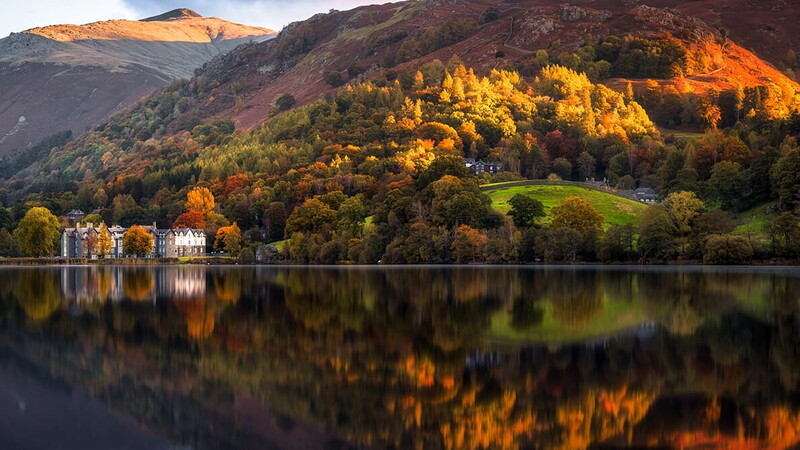
As is often the case in areas with such geography, the Lake District also offers roads that are less extreme but equally enjoyable to drive. For instance, the Newlands Pass runs along a natural rocky ledge, passing the Moss Force waterfall which appears suddenly and impetuously between two ridges. Then there is the Honister Pass, connecting Borrowdale to Buttermere, which passes England's last working slate mine. Finally, for those who love woodland or a drive that follows the natural contours of the valleys, there is the Whinlatter Pass, which winds through Thornthwaite Forest and skirts Bassenthwaite Lake, and the road along the Western shore of Ullswater, where numerous stopping points allow one to enjoy the tranquillity of the water or engage in various sports. However, the Lake District is not just about roads for enthusiasts and natural landscapes. One of the area's unique features is its villages, which seem to transport travellers back in time.
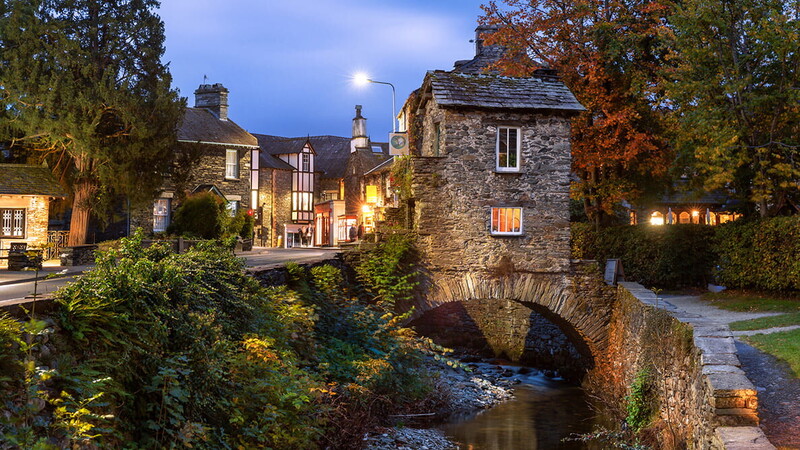
In Ambleside, one of the largest centres, stands the iconic Bridge House, a tiny stone house built over a stream in the 17th Century, a testament to the town's industrial past. This is one of the region's most visited attractions, along with Grasmere. Here, literature lovers, and particularly admirers of William Wordsworth, can visit sites like Dove Cottage, where the poet found inspiration for his most famous works. This village is also the perfect stop for a gastronomic break: among the local delicacies, Grasmere Gingerbread stands out. It can only be tasted at the Grasmere Gingerbread Shop (formerly Church Cottage) because, since 1854, the recipe has remained a secret known only to the heirs of Sarah Nelson, the cook who first created it. Also not to be missed is Keswick, a town built around graphite mining, celebrated in the Pencil Museum. This museum is dedicated not only to the creation of the pencil but also to the processing and extraction of the material that forms it. Nearby, you will find an alternative version of Stonehenge: the Castlerigg Stone Circle. Much like its more famous counterpart, this Neolithic stone circle offers panoramic 360-degree views of the surrounding mountains, making it a particularly evocative site to visit at sunset.
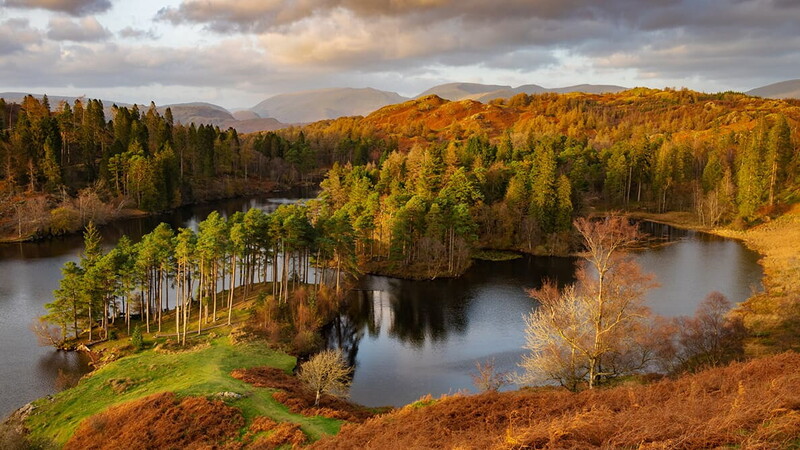
To truly immerse yourself in the beauty of the Lake District, ensure you are equipped with a stable, comfortable vehicle fitted with tyres capable of handling any surface, along with a detailed map. Let yourself be captivated by a landscape where every curve and hairpin bend offers a unique driving experience. This is a journey through one of England's most authentic regions, the kind of scenery now usually found only within the pages of classic Victorian novels.