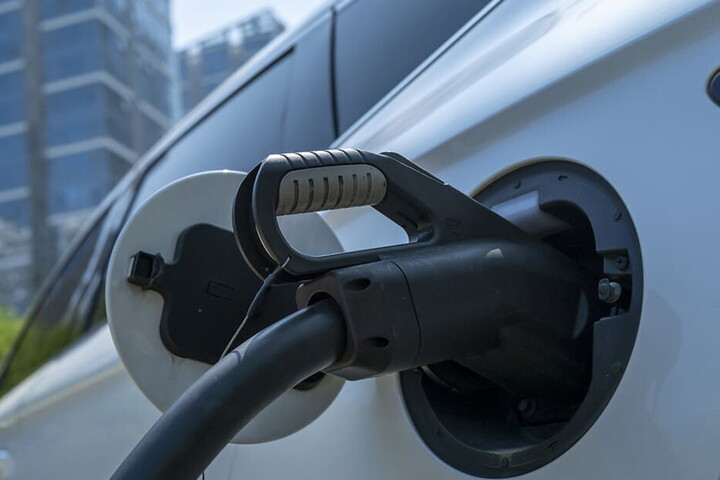
An electric car's range can vary even when battery capacity remains unchanged. Driving style and speed impact energy consumption, as do weather conditions and the vehicle's overall efficiency. Less obvious factors, such as payload and tyre rolling resistance, can also alter the amount of electricity required to cover the same distance.
Extending your range does not require altering the battery's physical capacity. Instead, you can squeeze more miles out of every charge by minimising energy loss and boosting vehicle efficiency. Some measures relate to how you drive, while others involve climate control and electric car tyres.
1. Does driving style affect electric car range?
Harsh acceleration forces the battery to deliver high power output in a short space of time. When paired with frequent braking and restarting, it can significantly increase energy consumption, particularly in city traffic. Smooth driving, by contrast, promotes more efficient battery use and helps boost your electric car's overall range.
Watching the road ahead allows you to anticipate speed changes early. Maintaining a safe distance from the vehicle in front makes it easier to feather the throttle and avoid abrupt manoeuvres. On-board efficiency displays can also show in real time how much your driving style impacts energy consumption.
2. Why does speed reduce range?
As speed increases, the power required to overcome aerodynamic drag rises sharply. This effect is most pronounced on motorway journeys, where sustained high speeds can rapidly deplete available range.
Travelling at a steady, moderate speed helps limit the drain on the battery. The exact benefit depends on the car's aerodynamic profile and ambient conditions, meaning there is no single ideal speed for every model. However, avoiding higher speeds than necessary remains one of the most immediate ways to improve energy efficiency.
3. How can you make the most of regenerative braking?
During deceleration, the electric motor can convert part of the vehicle's kinetic energy into electricity, sending it back to the battery. This process, known as regenerative braking, recovers energy that would otherwise be wasted as heat in conventional braking systems.
Anticipating stops and easing off the accelerator progressively maximises regenerative efficiency. Heavy braking may require support from the mechanical friction brakes, reducing the amount of energy required. Because system set-ups vary across models, it is worth familiarising yourself with your car's specific settings to choose the best option for your route.
4. When should you use Eco Mode?
Many electric cars feature an Eco mode designed to curb energy consumption. Depending on the model, this function softens throttle response and adjusts the operation of certain on-board systems. This helps drivers avoid unnecessary power demands.
Eco mode is particularly effective in heavy traffic and during daily commutes when full performance is not required. Its operation varies between electric vehicles. So consult your owner's manual and follow manufacturer recommendations to get the best out of this feature.
5. Why pre-condition the cabin before setting off?
Bringing the cabin to your desired temperature consumes a noticeable amount of energy, especially in extreme heat or cold. Pre-conditioning while the car is still plugged into the mains allows you to heat or cool the interior before departing without drawing solely on battery power. This preserves available range for the first miles of your journey.
This function can be scheduled via the on-board display or through the manufacturer's smartphone App. Note that cabin pre-conditioning is distinct from battery pre-conditioning. The former reduces initial HVAC demand, whereas the latter brings the battery pack to its optimal operating temperature.
6. How much does climate control affect energy consumption?
Air conditioning and cabin heating are powered directly by the traction battery, meaning their usage impacts electric car range. The effect is particularly pronounced in winter, when heating draws significant power and low temperatures temporarily reduce battery efficiency.
Setting a comfortable temperature without creating an excessive contrast with outdoor conditions helps keep power draw in check. Where fitted, heated seats and a heated steering wheel offer targeted warmth using far less energy than heating the entire cabin. However, saving energy should never compromise safety: always run the demister whenever visibility requires it.
7. Does tyre pressure affect range?
Running on tyre pressures below the manufacturer recommendation increases tread deformation under load. This raises rolling resistance, forcing the vehicle to use more energy to cover the same distance. Maintaining correct tyre pressures is therefore vital to maintaining energy efficiency and preserving range.
Check tyre pressures regularly when the tyres are cold, referencing the values specified by the vehicle manufacturer. These can be found in the owner's manual or on the door pillar plaque. Pressures drop naturally as ambient temperatures fall, so monitor them closely during seasonal changes. Conversely, over-inflating tyres beyond recommended limits offers no guaranteed efficiency gains and can negatively affect handling and tyre wear consistency.
8. How can low rolling resistance tyres increase range?
As a tyre rolls, it flexes in the contact patch where it meets the road, dissipating a portion of energy as heat. This friction contributes directly to rolling resistance. Minimising this force reduces demand on the battery, offering direct range benefits.
Pirelli Elect technology has been developed specifically for electric vehicles and plug-in hybrids. By delivering a reduction in rolling resistance of around 20%, it can increase vehicle range by up to 10% compared to an equivalent standard Pirelli tyre without the Elect marking. This equates to up to 50 additional kilometres (approx. 31 miles) according to internal Pirelli R&D tests conducted on a Volkswagen ID.4 fitted with 235/60 R18 Scorpion tyres.
Beyond efficiency gains, Elect tyres are engineered to handle the increased weight of EV battery packs and the instant torque delivery of electric motors. Dedicated compound and structural solutions blend extended range with driver control. Noise-reduction technology improves cabin refinement where the absence of an engine makes road noise more noticeable.
9. Do roof boxes and roof racks increase energy consumption?
Exterior accessories disrupt airflow over the vehicle body and increase aerodynamic drag. To maintain a set speed, the electric motor must draw more power from the battery. This penalty scales with speed and becomes especially significant at motorway velocities.
Removing roof boxes or rack systems when not in use helps restore optimal aerodynamic efficiency. Whenever possible, stow luggage inside the cabin or boot to avoid unnecessary drag, ensuring you stay within the vehicle's maximum payload limit without obscuring visibility.
10. How much does payload affect range?
Carrying extra weight increases the workload on the motor during acceleration and uphill climbs. Consequently, payload impact is most noticeable in stop-and-go city traffic or on routes with frequent speed changes. While regenerative braking recovers a portion of kinetic energy during deceleration, inevitable conversion losses mean it cannot fully offset the extra energy required to haul additional mass.
There is no need to avoid carrying necessary cargo. Simply avoid leaving heavy, unnecessary items permanently in the boot. Clearing out excess weight before setting off helps keep consumption in check and preserves your electric car's range.
More range through efficiency
Maximising electric car range is not about modifying battery capacity; it is about using every kilowatt-hour more effectively. Smooth driving avoids unnecessary power surges, while mindful use of climate control limits the load on on-board systems. Managing aerodynamics and payload further enhances overall efficiency.
Tyres play a pivotal role in electric cars. Correct inflation pressures reduce rolling losses, while dedicated EV tyre technology like Pirelli Elect lowers energy consumption even further. Combining these measures helps you travel further on a single charge without compromising safety or driving comfort.