For Pirelli, biodiversity and business are interlinked. Investing in protecting nature diminishes the risks to the business – supporting both the company's future success and the communities where it operates. Pirelli's biodiversity initiatives in Mexico are a case in point, embracing direct employee action and local communities to protect the Cuenca de la Esperanza (Hope Basin) Natural Protected Area. According to Jorge Martin, Pirelli's HSE and sustainability manager for North America, it is a project for the long term.
Why did Pirelli choose to work on conservation and biodiversity in the Cuenca de la Esperanza in particular?
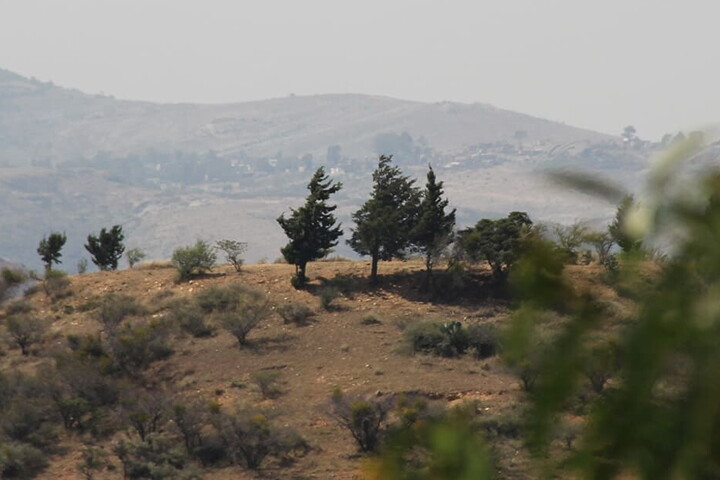
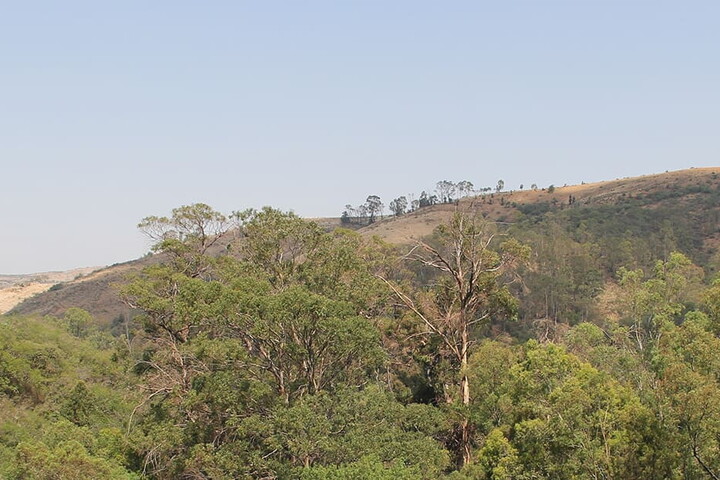
We always want to support projects where we can make an impact and prefer those close to our own operations – in this instance our plant in Silao. The Cuenca de la Esperanza is a fantastic place, a high-altitude natural oak woodland just outside the city of Guanajuato. But this is an area where water is scarce, partly because of soil degradation, erosion and the loss of vegetation, making ecological restoration a priority.
What has Pirelli achieved since it started supporting the project in 2017?
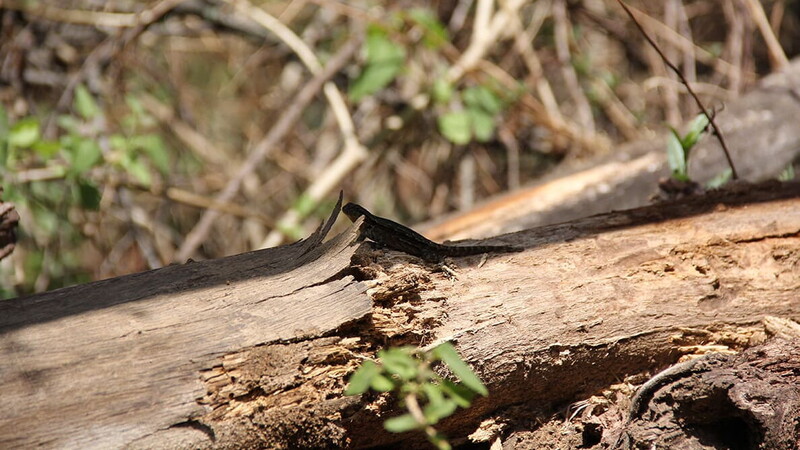
We started with a project to adopt and care for 50 hectares of the Cuenca de la Esperanza. That's gradually increased to the point where we now have 150 hectares. This is an area where both the flora and fauna are struggling, and step by step we've supported the recovery of biodiversity. But also, more than 43,800 native plants and trees have been planted to increase vegetation cover and improve ecosystem health. By 2025, 25 native animal species had returned to the Cuenca de la Esperanza Natural Protected Area. This is not a quick-win project, but step by step over time. According to the experts, we've already created conditions that will support biodiversity in the long term. And the project was part of a group of projects given the ESR Distinction award for corporate social responsibility by the Mexican Center for Philanthropy.
What's happening in the project and what support is Pirelli providing?
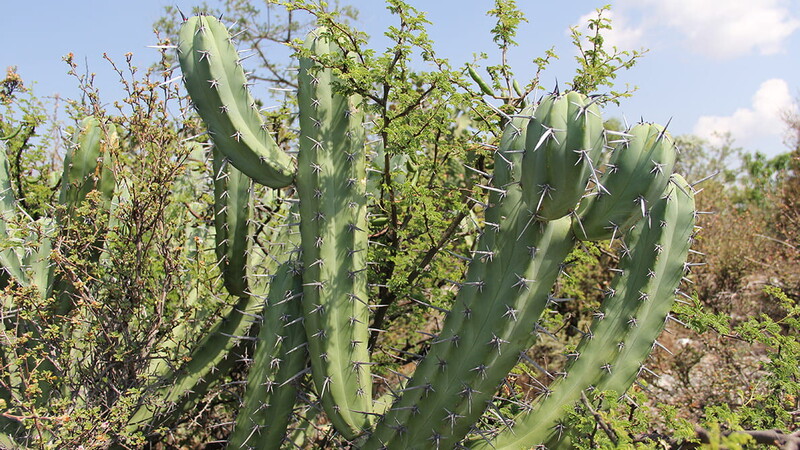
Overall, we're trying to maximise the impact of our investment. That means analysing its effects on flora and fauna and on employment in the local community. We have a lot of people who live near the project area working with us. They plant trees and native plants and care for soil quality, and they use skills that we can pass on through the Cuenca de la Esperanza educational centre. This is all made possible through a strategic partnership between Pirelli Neumáticos and the Secretaría del Agua y Medio Ambiente de Guanajuato, the state water authority. Pirelli employees and their families are able to work on the front line of biodiversity protection.
What have you learned from the Cuenca de la Esperanza project so far?
I think the lesson here is that you need to integrate, to work together with the community, the authorities and with industry. If you try to act alone, you're not going to get the results. We have very close relations with the authorities and with communities, and they understand that we recognise our social responsibilities. Biodiversity is one part of that, but it's not the only part. Just to give one example, we have a weekly programme here in Mexico for around 250 children. We work with teachers and specialists to help them understand issues like environmental protection, as well as safety and wellbeing. This kind of outreach is part of the DNA of Pirelli.
How does Pirelli set targets and measure the effects of this work?
Right from the start of the project, we worked with the state authority to define the project strategy. Together we set out clear objectives, measurable targets and performance indicators that provide a framework for evaluating its progress and effectiveness. Technical assessments are conducted every six months to monitor key aspects such as the total area restored, conservation works completed, water bodies restored, native plants established and reforestation carried out. They also evaluate how financial resources were allocated and the jobs generated within local communities. There's also a regular review process to verify compliance with the project's objectives, evaluate the effectiveness of restoration activities and identify opportunities to improve. The purpose of all this is not just to ensure effective technical oversight, but also transparency in the use of financial resources. That's essential – we've learned that transparency and being accountable in the way we manage financial resources are fundamental to building trust among stakeholders. And that's a model we can roll out elsewhere, in Mexico and beyond.
Is the project having any impact on people living in the nearby area?
Absolutely. The project is generating environmental, social and educational benefits for the surrounding communities. In terms of the environment, the restoration activities contribute to the conservation of the Cuenca de la Esperanza: restoring native vegetation and improving the health of the ecosystem. Socially, the project creates job opportunities by engaging residents from nearby communities in restoration and conservation. Four out of five involved are women and this supports local economic development while encouraging community participation. In addition, the Environmental Education and Visitor Center promotes environmental awareness and educates visitors about the importance of conserving biodiversity and managing natural resources in a more sustainable way.
What impact does the work in the Cuenca de la Esperanza have on Pirelli as a company?
For Pirelli this is an investment in the future of Pirelli and all the communities where Pirelli operates. This is part of Pirelli's overall sustainability plan and is a top priority for us. It is part of a larger strategy. We have commitment from the top management of Pirelli and that is critical to building this sustainability culture and moving forward as a company. That's why Pirelli Mexico employees have already participated in six reforestation campaigns and planted thousands of native plants and trees, demonstrating our belief in environmental stewardship backed by employee participation on the front line.
Data and information reported in this article are based on monitoring reports and technical documentation from the Cuenca de la Esperanza restoration project, developed through the partnership between Pirelli Neumáticos in Silao and the Secretaría del Agua y Medio Ambiente de Guanajuato, with data updated to 2025.