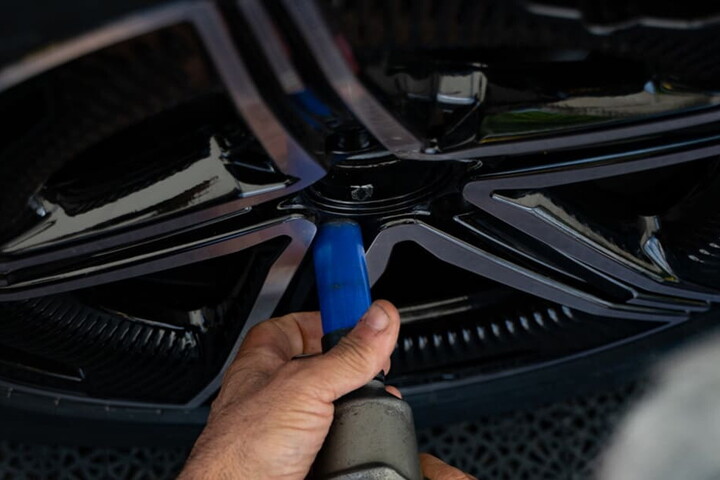
Tyre maintenance is one of those simple actions that make a massive difference on the road. It is not just about safety, but also about comfort, fuel efficiency and the overall lifespan of your set of tyres. Yet, precisely because these checks seem trivial, they are often postponed. "These are inspections that should be carried out regularly, but almost no one actually does them", observes Marco Condini, Product Marketing Manager for Italy. "The seasonal changeover remains the moment when most motorists remember to check their tyres". Today, however, habits are changing. The rise of All Season tyres reduces visits to the tyre specialist and, with them, those periodic checks that extend the life of the treads. "Fewer visits to the workshop mean fewer checks on pressure, rotation and alignment. Over time, this leads to faster and less even wear. For this reason, a visit to your trusted tyre specialist is always recommended, even when fitting all-season tyres".
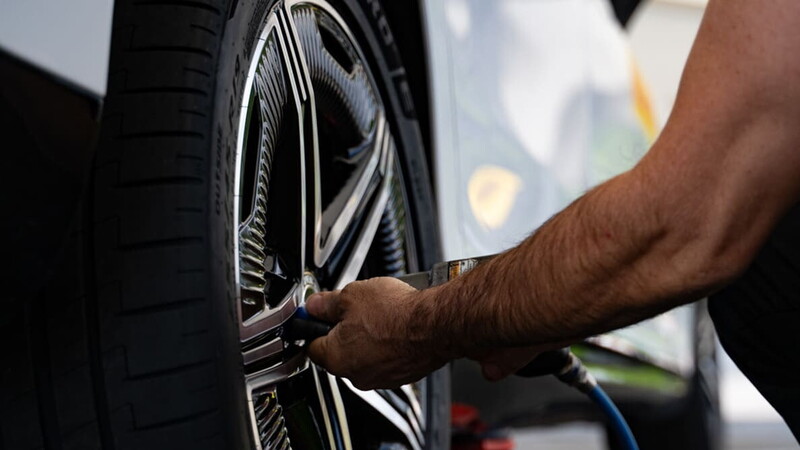
Pressure: the simplest and most important check
The starting point is always pressure. "It should be checked regularly, not just during the change of season", Condini explains. "Correct pressure improves performance, ensures more even wear and reduces fuel consumption. Driving on under-inflated tyres means they deteriorate sooner and rolling resistance increases". It is a simple task that can be done independently using reliable tools. Alongside pressure, there is the visual inspection. "It is necessary to observe the tyre when washing the car: bulges, cuts or obvious damage are signs that must not be ignored". A bulge, in particular, indicates that the internal structure may be compromised. "In these cases, the tyre is no longer safe and must be inspected by a professional".
Wear and alignment: when tread patterns tell a story
Then there is the issue of wear. "You should not just look at whether the tread is worn out, but how it is worn", Condini continues. "If one shoulder is much more worn than the rest of the tyre, there is likely an alignment issue". Tracking and camber settings that are out of specification can wear a tyre unevenly and shorten its life. "Alignment should not only be checked after hitting a pothole or a kerb. It is a periodic check that prevents abnormal wear".
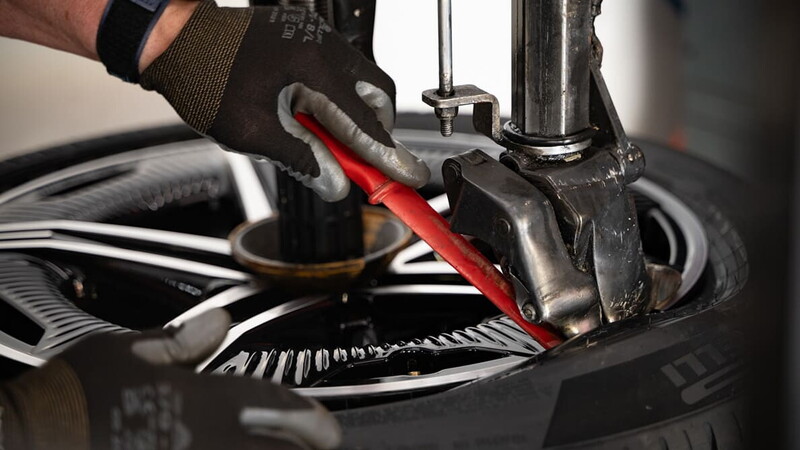
Rotation and balancing: making a set of tyres last longer
Rotating tyres between the front and rear axles is another key step, where tyre sizes allow. "Evening out the wear means maintaining the tyre's performance for longer", he stresses. "If one part of the tread reaches the legal limit early, you are effectively forced to replace the entire set, even if there is still usable rubber elsewhere". Some checks can be DIY, while others require specific equipment. "You can check the pressure and visual condition yourself. However, operations such as balancing, stripping and full inspections must be entrusted to a tyre specialist". Even pressure measurement offers greater guarantees if done in a workshop. "Professional pressure gauges are correctly calibrated: those at service stations are not always accurate".
Storage and seasonal changes
When the time comes for the seasonal changeover, storage also comes into play. "If you keep tyres at home, they must be protected from sun, rain and the elements. Avoid sharp temperature fluctuations and contact with hydrocarbons or ozone sources, which accelerate the ageing of the rubber". For those who store them already fitted to the rim, organisation is simple; without the rim, it is better to avoid long periods in the same position. And for those who choose All-Season tyres? "The advantage is avoiding the seasonal swap, but maintenance remains fundamental", clarifies Condini. "The advice is to schedule periodic checks anyway, ideally at least twice a year or every 10,000 kilometres". A useful opportunity is to have them checked during off-peak periods, when workshops are less crowded.
The logic is simple: prevention costs less than premature replacement. "Regular checks mean even wear, consistent performance and greater safety", Condini concludes. "It is a small precaution that protects a significant investment and makes every journey more peaceful".