F1 2026 Here we go! What's changing on track
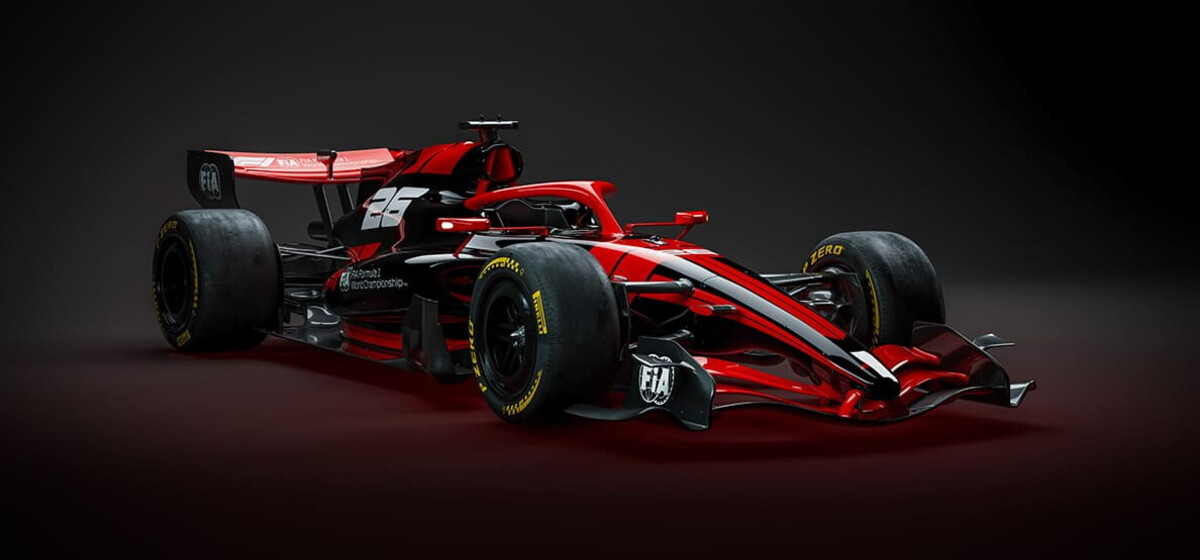
Every few years the technical rules in Formula 1 change, and this time in 2026, the cars are changing quite a lot! Most of us aren't engineers and for that reason, we would like to keep it simple. That's why we would like to get your attention, and we'll try to explain the changes in the easiest way possible, starting of course with the most important change: the tyres!
Changes to the tyre
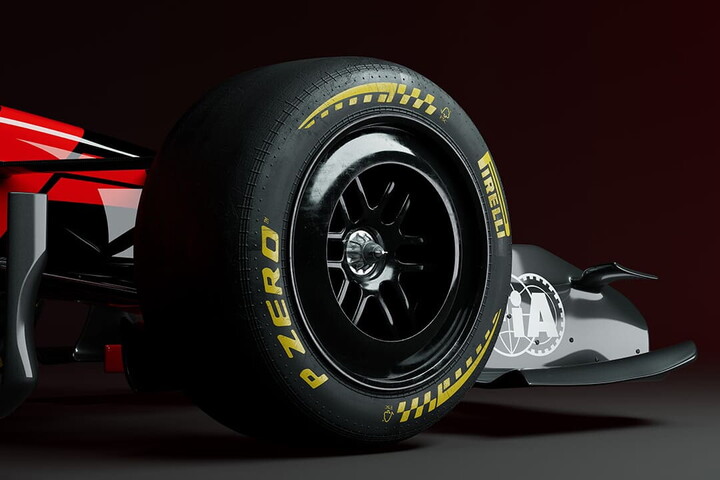
The Pirelli F1 tyres for 2026 are smaller this year, to align with the new technical regulations that are making the F1 cars of 2026 smaller compared to the previous generation of cars. How much smaller, you are asking? The front tyres will be 2.5 cm narrower and the rear tyres even 3 cm narrower! Maybe it sounds like a small change, but believe us, you'll notice the difference on your TV screen.
The changes have made the tyres lighter too. Overall, the 4 tyres on every car are 1.6 kilos lighter than last season. This is not only thanks to the tyres being narrower, but also because the diameter of the front tyres is 1.5 cm less and 1 cm on the rear tyres.
Last but not least, every weekend we'll bring 5 different tyres with us: wet tyres, the intermediates and 3 different slick compounds. Every race we can choose from of 5 different slick compounds, and we'll choose the best 3 compounds for a specific track. The choices are based on safety and racing reasons. Where possible we'll bring the C5 compound, which is the fastest compound, and on some tracks, we'll bring the C1 compound, which is the hardest compound. During every GP weekend the teams then must find out what's the fastest strategy for their cars.
Changes to the car
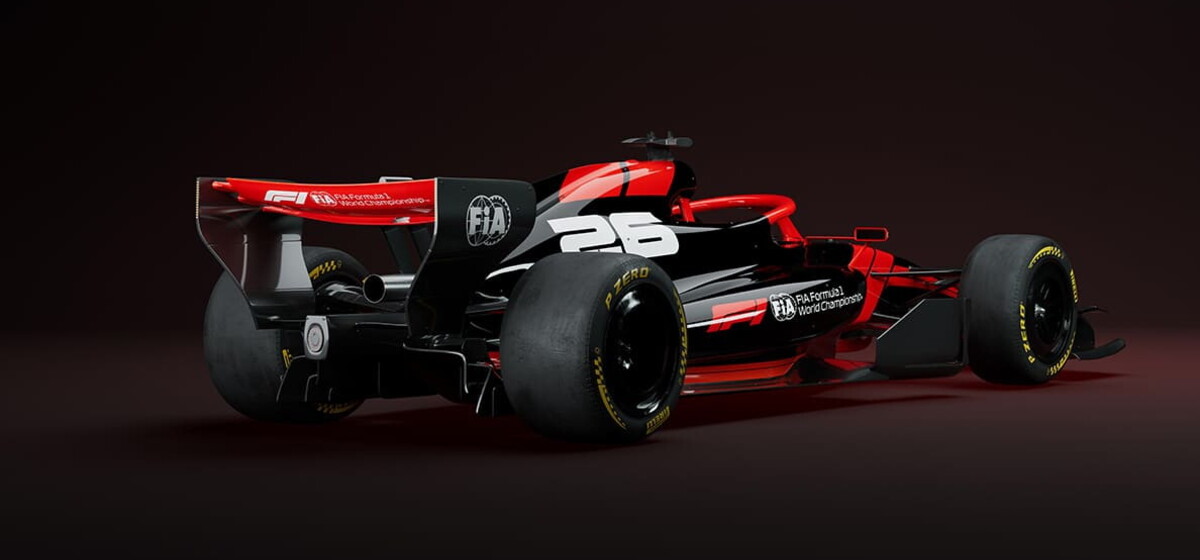
Now let's look at the 2026 F1 car, because just like the tyres, the cars will be lighter this year too! The minimum weight will drop to 768 kg – a change of approximately 30 kilos – and believe us, that takes some effort from the engineers to reach that target! Compliments to the hard work the teams are putting in to building these cars.
The cars will also be narrower, a total of 10 cm narrower, which means we go from 2000 millimeters to a width of 1900 mm. A change that the drivers will like, because it makes the cars more agile.
Engine
In the car we have as always, a very powerful engine in Formula 1. This year, the power units will rely on hybrid systems for approximately 50% of their power. This means that the combustion part of the engine is dropping down to about 50% as well. That means the electric power of an F1 car has grown significantly compared to the previous generation of cars, where the balance was around 80-20%. Also, the fuel of the engine has changed completely; the fuel will now be created by 100% advanced sustainable fuel! What great news for the world.
Active Aerodynamics and Overtake Mode
Alright, we all got used to the DRS mode and maybe you already heard it: the DRS mode doesn't exist anymore in 2026! Instead F1 teams will now use the so-called SLM system, which stands for Straight Line Mode. It's sort of the replacement of the DRS mode and it makes sure that both rear and front wings can flatten on the straights.
During the race, this mode can be used on certain points of the circuit, but by all drivers at those specific points, which is different compared to last year. Then you could only use the DRS system when the driver was within one second of the driver ahead of him. We can tell you already, this SLM system will make sure this year's F1 cars have some incredible high top speeds on the straight. We cannot wait to see the cars on the straight of Monza!
But that's not all! Drivers also have a new "Overtake Mode" at their disposal. In this mode, a driver can deploy extra battery energy if they are within one second of the car ahead when crossing the start/finish line. Once triggered, the driver can use that extra power whenever they choose during the lap. Keep in mind, however, that this extra energy is not unlimited; it will eventually run out, meaning drivers must use it strategically. It is going to be a very interesting tactical tool to watch!
Safety
As we know, Formula 1 is always prioritizing safety and this year we can see an interesting factor: There will be lights visible on the outer sides of the rear-view mirrors. We'll see these lights during races in wet conditions. They ensure that even in heavy spray or if a car spins, other drivers can still see it clearly. This change was specifically designed to help avoid dangerous side-impact collisions.